
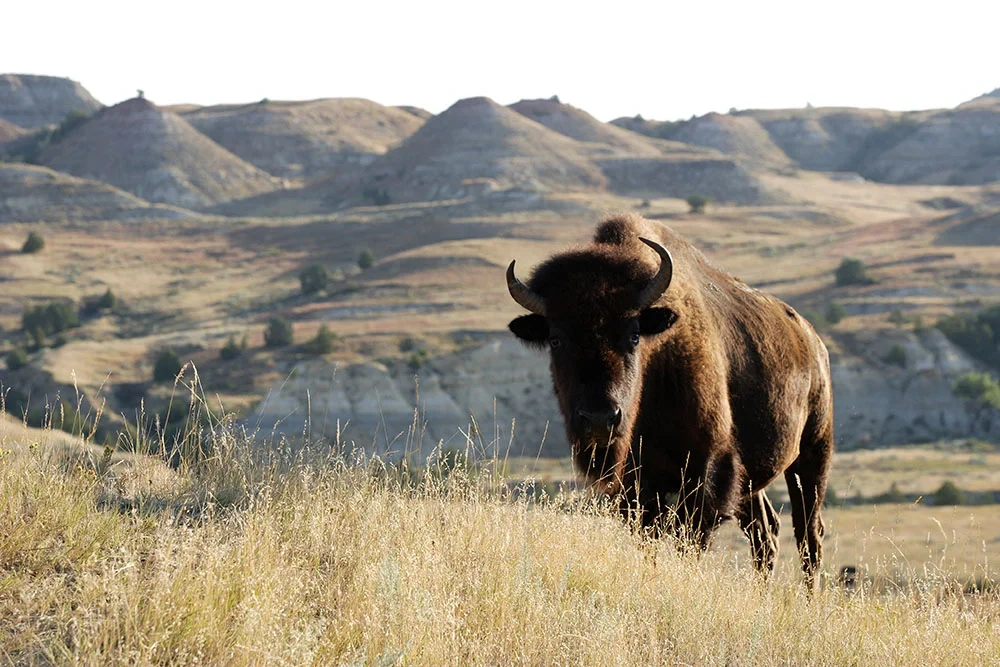
Indian Law
##Knowledge and Experience in Navigating Sovereign Nations
Handling legal matters in Indian Country requires extensive knowledge of how the Tribal Courts operate in comparison to State or Federal Courts. It is a matter of understanding Federal Indian Laws, tribal sovereignty and jurisdiction, and state law limitations and interactions within Indian Country. Indian Tribes have sovereignty which means the inherent right to govern themselves. Tribal sovereignty acts as a shield against state law on many levels. Many issues that come up in tribal law generally intersect with common non-Indian matters as well. It is helpful to know when you need to operate in Tribal Court, State Court, or Federal Court when it comes to handling your legal needs. The Maverick Law Group team has studied tribal law to learn the differences of tribal, state, and federal laws and have the experience needed to negotiate a wide variety of matters in Tribal Court
We are committed to helping you navigate into tribal law to know whether the Tribe, the State, or the Federal Government has jurisdiction of your legal matter.
Tribal Court Representation
Currently, Maverick Law Group is ready to assist you as your Indian Law attorney with your legal issues in two of North Dakota's Reservations.

Turtle Mountain Band of Chippewa
We provide representation and counsel for legal matters arising on the Turtle Mountain Indian Reservation, located in Belcourt, North Dakota.
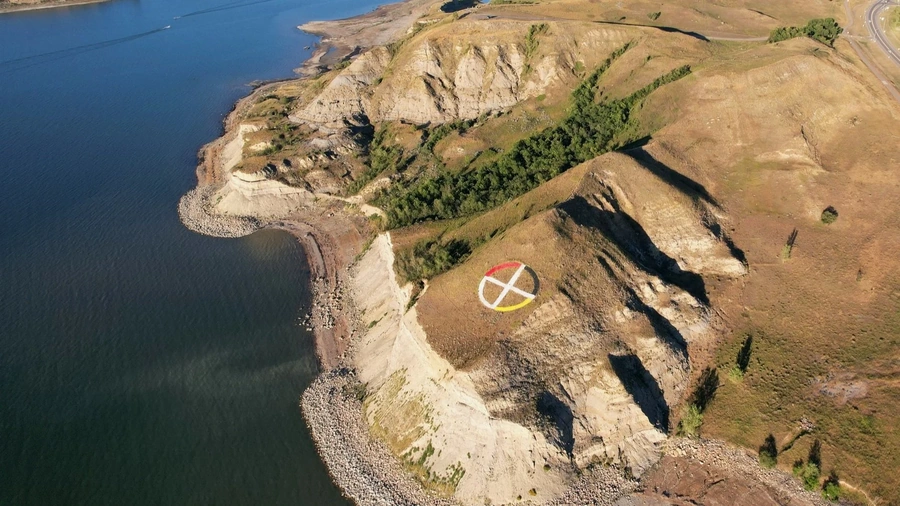
Mandan, Hidatsa, and Arikara Nation (MHA Nation)
We provide representation and counsel for legal matters arising on the Fort Berthold Reservation (MHA Nation), located in New Town, North Dakota.
Our Indian Law Representation Process
Navigating Indian Law requires specialized knowledge of tribal sovereignty, federal regulations, and jurisdictional complexities. We guide clients through every stage of their legal matter with expertise in tribal, state, and federal law.
Step 1: Initial Consultation
We begin with a consultation to understand the nature of your matter and the parties involved.
Step 2: Jurisdiction Analysis
Analyze whether tribal, state, or federal law applies by examining federal Indian laws, tribal sovereignty, and jurisdictional limits.
Step 3: Representation & Negotiation
Advocate and negotiate on your behalf in Tribal Court, State Court, or Federal Court.
Step 4: Ongoing Support
Provide continued representation, coordination across jurisdictions, and guidance through tribal law procedures.
Have a legal situation you'd like to talk with us about?
Indian Law On Our Blog

Determining jurisdiction in tribal matters depends on the nature of the parties involved and the subject matter. We analyze federal Indian law, treaty rights, tribal codes, and relevant state and federal statutes to determine which forum is appropriate. In many cases, the distinction hinges on whether the matter involves tribal members, non-members, or tribal lands. Contact us for a jurisdictional analysis specific to your situation.
We currently assist clients with matters on the Turtle Mountain Band of Chippewa Reservation (Belcourt, ND) and the Mandan, Hidatsa, and Arikara Nation (Fort Berthold Reservation, New Town, ND). For cases outside these reservations, contact us to discuss whether we can assist.